
The short version
Ceramic and carbon are both non-metallic, signal-safe window tints — but they perform very differently in heat. Ceramic film is the premium tier: it blocks more infrared heat, more UV, and lasts longer without fading. Carbon is the modern budget pick: significantly better than dyed film, but with measurably lower IR performance and a shorter useful life.
| Spec | Premium Ceramic | Carbon |
|---|---|---|
| Infrared (IR) heat rejection | 88–98% | 40–60% |
| UV rejection | 99%+ (SPF 1,000) | ~70% |
| Signal interference | None (non-metallic) | None (non-metallic) |
| Lifespan / warranty | 10+ yrs · lifetime warranty | 5–7 yrs · limited warranty |
| Color stability | Holds 95–99% performance over time | Loses ~10–15% after 3 yrs |
| Typical price (sedan, full) | $400–$650 | $200–$350 |
Heat rejection: where the gap is biggest
About 53% of solar heat coming through a car window is infrared — the part you actually feel on your arm and dashboard. The rest is visible light and UV. Ceramic film uses microscopic ceramic particles tuned to absorb that IR band specifically, which is why premium ceramic can reject 88–98% of IR heat without darkening the window.
Carbon film uses carbon-infused dye that does block some IR, but the mechanism is less targeted. Most carbon films land in the 40–60% IR rejection range — better than dyed film, but a meaningful step below ceramic. On a 95-degree July day in Rockville, that's the difference between a cabin that's noticeably cool and one that still feels hot until the AC catches up.
UV protection and your skin
Premium ceramic film blocks 99%+ of UV rays — equivalent to wearing SPF 1,000 sunscreen every time you drive. Carbon film typically blocks around 70% of UV. If you commute in sunlight or have kids riding in the back, that delta matters: long-term UV exposure through side windows is a documented driver of skin aging and skin cancer on the left side of the face.
Signal interference: not an issue with either
This is the most common myth we hear. Older "metallized" tint films (sputtered with thin layers of aluminum or other metals) interfered with cellular, GPS, Bluetooth, satellite radio, and key-fob signals. Modern ceramic and carbon films are non-metallic by design — zero interference with any wireless system on your car or phone.
Longevity and warranty
- Premium ceramic (XPEL PRIME XR Plus, 3M Crystalline, LLumar IRX) — retains 95–99% of its performance for 10+ years. Backed by a lifetime warranty against bubbling, peeling, fading, and color shift. Original owner only.
- Carbon — typically 5–7 years of useful life. Most films lose 10–15% of their IR rejection after about 3 years and may start to look slightly faded after year five. Limited multi-year warranties (not lifetime).
How they look on the car
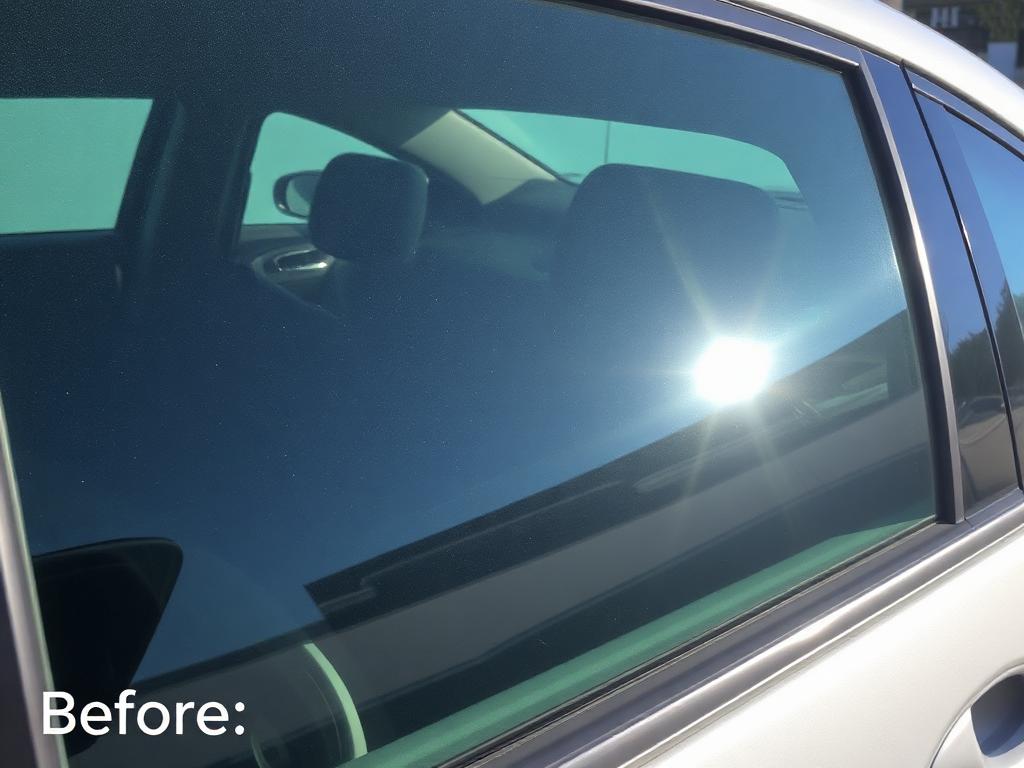
Side by side at common automotive shades like 35% or 20% VLT, premium ceramic and carbon look nearly identical to the eye — both produce a clean, neutral charcoal tone. The differences show up at lighter shades: budget ceramic at 50–70% can occasionally throw a subtle blue or green cast, while carbon stays a flat black. Premium ceramic films like XPEL PRIME XR Plus stay neutral across every shade.
When carbon is the smarter choice
- You're keeping the car under 3 years.
- The car lives in a garage and rarely sits in direct sun.
- You want the look without spending ceramic-tier money.
- You're tinting a second daily driver where every dollar counts.
When ceramic is worth every dollar
- You park outside in summer heat — Maryland averages 88°F+ highs in July.
- You have a Tesla, EV, or any car with a panoramic roof or large glass area.
- You drive long highway commutes with the sun on the side glass.
- You want the install to outlast your ownership of the car.
- You care about UV protection for skin — daily commute or family driver.
What RBS Wraps & Tint installs
Our default ceramic tier uses premium nano-ceramic film with full IR/UV rejection and a lifetime warranty — installed at Maryland-legal 35% VLT on the front sides by default. Our carbon tier uses a quality non-metallic carbon film with a multi-year limited warranty for builds where budget is the priority. Both films are signal-safe, non-reflective, and compliant with Maryland tint law.
What's the difference between ceramic and carbon window tint?
Both are non-metallic films that block UV and reduce heat. Ceramic uses nano-ceramic particles that reject up to 88–98% of infrared heat and 99%+ of UV, and lasts the lifetime of the vehicle. Carbon uses carbon-infused dye that rejects 40–60% of IR heat and roughly 70% of UV, with most films losing 10–15% performance after about 3 years.
Is ceramic tint really worth the extra money?
If you keep the car more than three years, drive in summer heat (Maryland averages 88°F+ in July), or care about long-term comfort and IR rejection, ceramic pays back through lower interior temps and zero degradation. For shorter ownership or budget builds, premium carbon is a strong value play.
Will window tint interfere with my phone, GPS, or key fob?
Not with quality ceramic or carbon film. Both are non-metallic — only old-school metallized or sputtered films interfere with cellular, GPS, Bluetooth, satellite radio, or key-fob signals. Anything we install at RBS Wraps & Tint is signal-safe.
How long does ceramic tint last vs carbon tint?
Premium ceramic film typically retains 95–99% of its performance for 10+ years and is backed by a lifetime manufacturer warranty against bubbling, peeling, and fading. Carbon film usually performs well for 5–7 years but starts losing 10–15% IR rejection after the 3-year mark.
Does ceramic tint look different than carbon?
At darker shades (5–35% VLT), the two films look nearly identical. At lighter shades (50–70% VLT), entry-level ceramic can show a subtle blue or green hue, while carbon stays a neutral charcoal black. Premium ceramic films like XPEL PRIME XR Plus stay neutral at every shade.
Can ceramic tint shatter the rear defroster lines?
No. Ceramic and carbon film are non-conductive and apply to the inside surface of the glass. They don't damage rear defroster lines, antennas, or any factory glass features when installed by a trained installer.